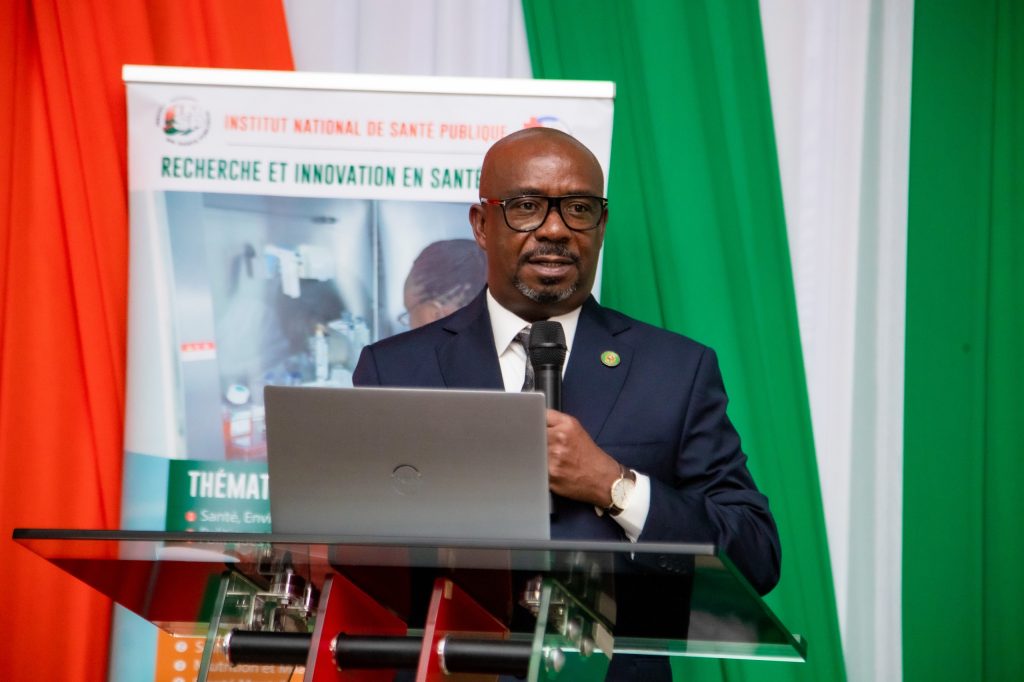
Dr. Mamadou Diarrassouba
..Says health crises do not wait
To better address public health emergencies, West Africa must immediately strengthen its prevention and response mechanisms through more robust and resilient health systems.
The Executive Director of the ECOWAS Regional Centre for Surveillance and Disease Control (RCSDC), Dr. Mamadou Diarrassouba, made this call on Wednesday, July 22, 2026, while speaking at an inaugural lecture he led at the National Institute of Public Health (INSP) in Abidjan-Adjamé.
His call came ahead of the official opening ceremony of the 5th Public Health Congress of Côte d’Ivoire (CSPCI), held from July 22 to 24, 2026, under the theme: “Our Environments and Our Health.”
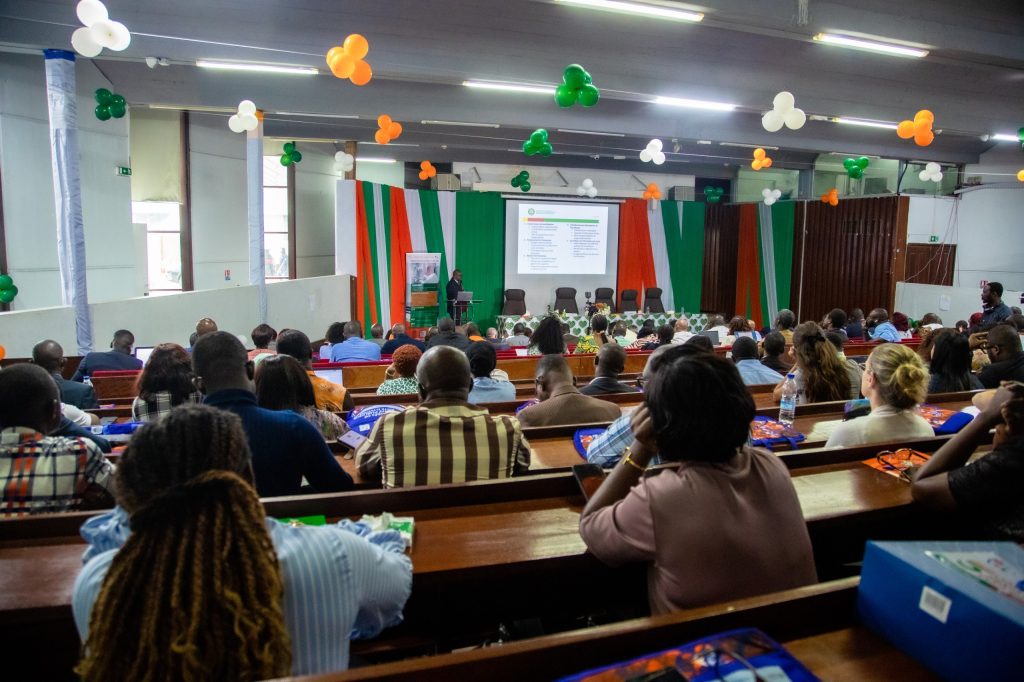
Held under the theme “Health emergencies in resource-limited countries: Challenges, responses, and prospects for resilient health systems,” this inaugural lecture allowed the regional official to provide an overview of major health threats and propose ways to better address them.
According to Dr. Mamadou Diarrassouba, public health emergencies have “changed radically” in recent years, becoming more complex and difficult to manage.
He cited four main categories of emergencies: epidemics—specifically Ebola, dengue fever, and cholera—as well as pandemics, such as COVID-19.
Added to this are natural and environmental disasters, including floods, landslides, and chemical pollution. Armed conflicts also pose a significant threat.
These crises further strain health systems that are already vulnerable. According to the regional official, the response can no longer be solely medical.
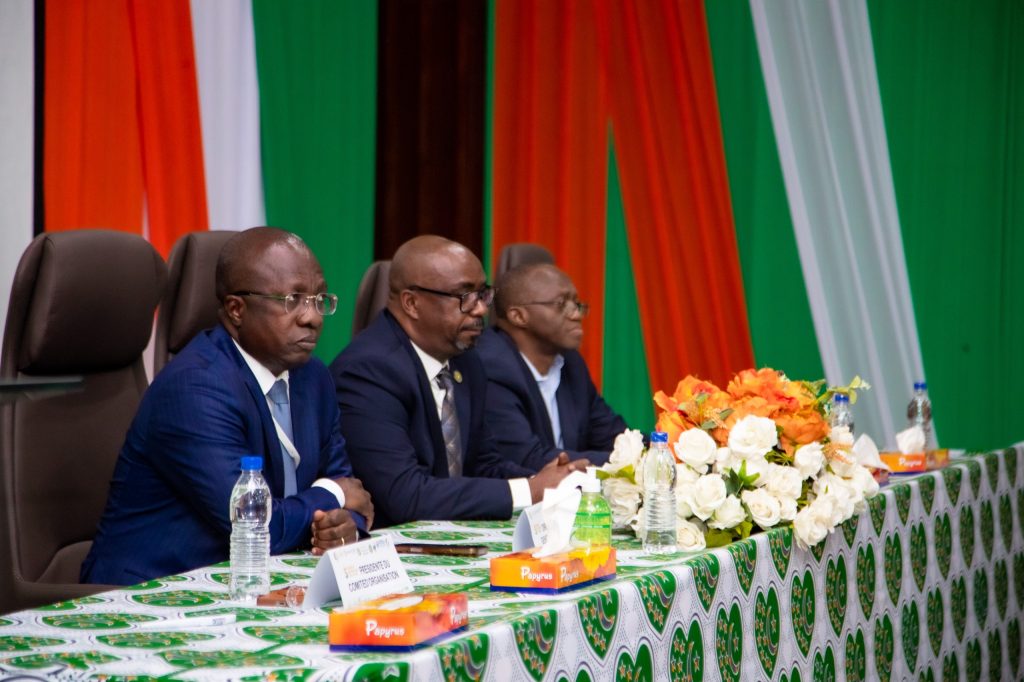
“Current health emergencies require a coordinated approach involving multiple sectors,” he noted.
Dr. Diarrassouba highlighted several factors contributing to the emergence of these crises, citing rapid urbanization and a lack of access to clean water and sanitation.
He also pointed to cross-border movements, the effects of climate change, and the interactions between humans, animals, and the environment.
Regarding health governance, he highlighted several shortcomings. “We are seeing institutional fragmentation, with multiple ministries and agencies operating without always having adequate coordination mechanisms in place,” he lamented.
He also emphasized the lack of leadership, weak multisectoral coordination, and the failure to follow up on adopted plans.
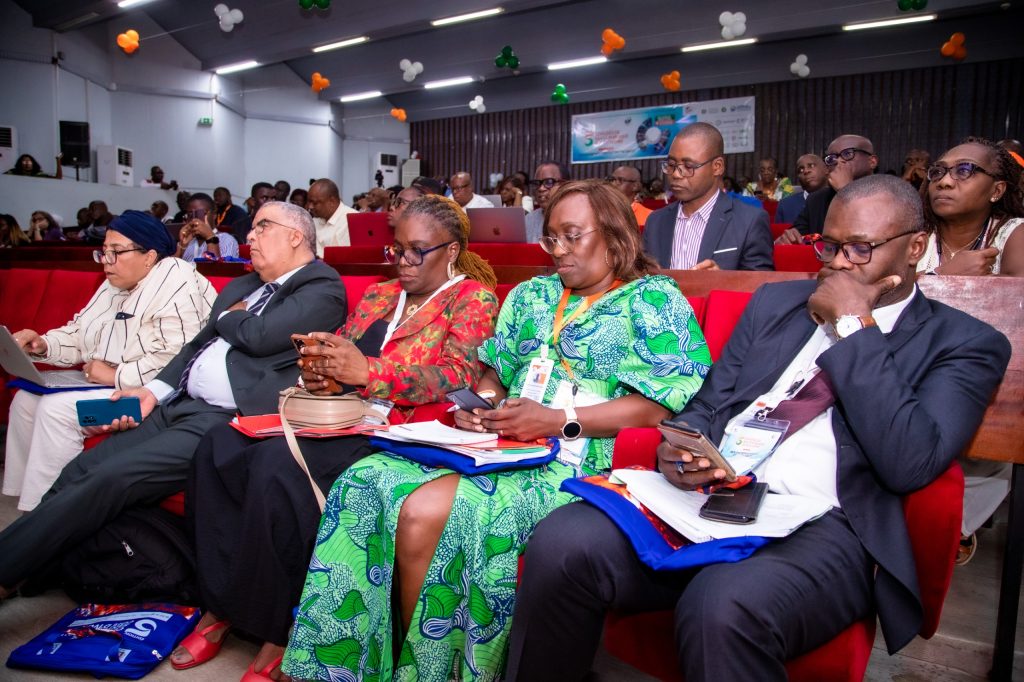
On the subject of financing, he called on states to increase their investments. “Every crisis comes at a much higher cost when the system is unprepared,” he warned.
In his view, Africa must strengthen its health autonomy. In particular, it needs to reduce its dependence in the pharmaceutical sector.
“Africa must wake up. We need to produce our own vaccines, reagents, and pharmaceutical products to make a real difference,” he declared.
The speaker also emphasized the role of new technologies. Artificial intelligence, genomic sequencing, and satellite monitoring can improve disease detection.
However, these tools must complement—not replace—local health systems.
At the regional level, Dr. Diarrassouba outlined ECOWAS’s six priorities. These cover health surveillance, laboratories, human resources, and sustainable financing.
They also address multisectoral governance and the “One Health” approach. This approach takes into account the interconnections between human health, animal health, and the environment.
The ECOWAS Regional Centre for Surveillance and Disease Control plays a key role in this strategy, supporting member states with surveillance, information sharing, and capacity building.
In conclusion, Dr. Mamadou Diarrassouba called for collective action. “Our health security is a regional public good. A health threat emerging in one country affects all the others,” he noted.
For him, preparedness remains the best weapon. “The best time to prepare for the next public health emergency is before it happens,” he concluded.
..Says health crises do not wait
To better address public health emergencies, West Africa must immediately strengthen its prevention and response mechanisms through more robust and resilient health systems.
The Executive Director of the ECOWAS Regional Centre for Surveillance and Disease Control (RCSDC), Dr. Mamadou Diarrassouba, made this call on Wednesday, July 22, 2026, while speaking at an inaugural lecture he led at the National Institute of Public Health (INSP) in Abidjan-Adjamé.
His call came ahead of the official opening ceremony of the 5th Public Health Congress of Côte d’Ivoire (CSPCI), held from July 22 to 24, 2026, under the theme: “Our Environments and Our Health.”
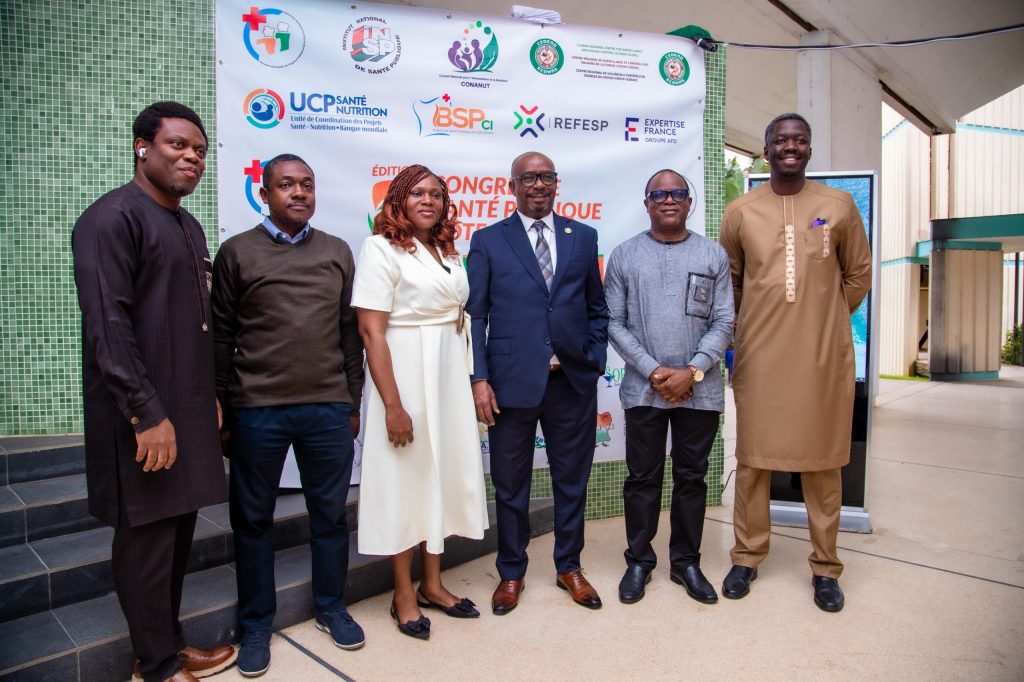
Held under the theme "Health emergencies in resource-limited countries: Challenges, responses, and prospects for resilient health systems," this inaugural lecture allowed the regional official to provide an overview of major health threats and propose ways to better address them.
According to Dr. Mamadou Diarrassouba, public health emergencies have "changed radically" in recent years, becoming more complex and difficult to manage.
He cited four main categories of emergencies: epidemics—specifically Ebola, dengue fever, and cholera—as well as pandemics, such as COVID-19.
Added to this are natural and environmental disasters, including floods, landslides, and chemical pollution. Armed conflicts also pose a significant threat.
These crises further strain health systems that are already vulnerable. According to the regional official, the response can no longer be solely medical.
"Current health emergencies require a coordinated approach involving multiple sectors," he noted.
Dr. Diarrassouba highlighted several factors contributing to the emergence of these crises, citing rapid urbanization and a lack of access to clean water and sanitation.
He also pointed to cross-border movements, the effects of climate change, and the interactions between humans, animals, and the environment.
Regarding health governance, he highlighted several shortcomings. "We are seeing institutional fragmentation, with multiple ministries and agencies operating without always having adequate coordination mechanisms in place," he lamented.
He also emphasized the lack of leadership, weak multisectoral coordination, and the failure to follow up on adopted plans.
On the subject of financing, he called on states to increase their investments. "Every crisis comes at a much higher cost when the system is unprepared," he warned.
In his view, Africa must strengthen its health autonomy. In particular, it needs to reduce its dependence in the pharmaceutical sector.
"Africa must wake up. We need to produce our own vaccines, reagents, and pharmaceutical products to make a real difference," he declared.
The speaker also emphasized the role of new technologies. Artificial intelligence, genomic sequencing, and satellite monitoring can improve disease detection.
However, these tools must complement—not replace—local health systems.
At the regional level, Dr. Diarrassouba outlined ECOWAS’s six priorities. These cover health surveillance, laboratories, human resources, and sustainable financing.
They also address multisectoral governance and the "One Health" approach. This approach takes into account the interconnections between human health, animal health, and the environment.
The ECOWAS Regional Centre for Surveillance and Disease Control plays a key role in this strategy, supporting member states with surveillance, information sharing, and capacity building.
In conclusion, Dr. Mamadou Diarrassouba called for collective action. "Our health security is a regional public good. A health threat emerging in one country affects all the others," he noted.
For him, preparedness remains the best weapon. "The best time to prepare for the next public health emergency is before it happens," he concluded.