Trade Union Congress (TUC) has urged the National Assembly to adopt and fully implement the recommendations of the Justice Mohammed Uwais Electoral Reform Report as part of the ongoing overhaul of Nigeria’s electoral laws.
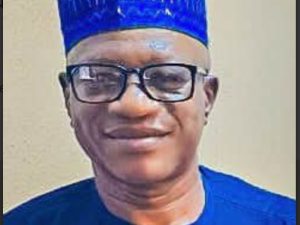
TUC President, Mr. Festus Osifo, made this position known on Monday during a one-day public hearing on the proposed repeal of the Electoral Act No. 13 of 2022 and the introduction of the new Electoral Act 2025.
The event was convened by the Joint Committee on INEC of the Senate and House of Representatives.
Speaking through Mr. Tolulope Akinyoye, a TUC official, Osifo stressed that Nigeria’s democratic foundation continues to be weakened by flawed electoral processes.
He argued that the Uwais report, if adopted in full, offers a credible roadmap to restore transparency and trust in the electoral system.
> “We support full implementation of the recommendations of the Justice Uwais electoral reform, which includes transfer of power, shifting the authority to appoint INEC commissioners and chairman from the President to the National Judicial Council (NJC),” Osifo said.
He listed several key proposals from the Uwais panel, including:
Criminalising vote-buying and pre-election violence, with enforceable penalties;
Restructuring and unbundling INEC for greater operational efficiency;
Establishing strict timelines for resolving electoral disputes;
Adoption of modern electoral technologies like biometric data, e-voting, and electronic transmission of results.
Osifo emphasized that credible elections must go beyond ballot counting. He said it must reflect the voices of working-class citizens and ensure that governance truly mirrors the people’s will.
He called for clear legal protections for workers’ political rights, asserting that workers—whether in the public or private sector—should not face threats, intimidation, or job insecurity for participating in political activities.
> “We believe that no worker should be penalised for exercising their constitutional right to vote, campaign or belong to a political party,” he stated.
“Democracy loses its meaning when workers are afraid to express their political preferences.”
He proposed that election days be declared public holidays to enable full participation, especially for factory and shift workers.
Additionally, Osifo advocated for organised labour’s inclusion in electoral stakeholder engagements and voter education efforts. He also urged a review of campaign financing laws to remove economic barriers that hinder workers from contesting elections.
Other recommendations included:
Stronger laws against political victimisation in workplaces;
Faster adjudication of election petitions to rebuild public confidence;
Collaboration between INEC and trade unions for mobile voter registration in industrial and informal sectors;
Affirmative action measures to promote the participation of women and persons with disabilities in politics and union leadership.
> “We further advocate for enforcement of quota for women and persons with disabilities, especially within trade unions and political structures,” he added.
Osifo concluded by stating that Nigeria cannot claim democratic legitimacy if large segments of the population, especially the workforce, are sidelined in the political process.
The hearing also featured submissions from civil society groups, political associations, and other stakeholders, all contributing to the debate on shaping a new electoral framework for the country.
NAN