By TOM CHIAHEMEN, Abuja
The Peoples Democratic Party (PDP) governorship candidate for Abia State, Deacon Kelechi Anosike, has unveiled plans to establish two specialised agencies aimed at transforming the state’s informal sector and positioning young people for opportunities in the global digital economy if elected governor in 2027.
Anosike said his administration would create the Abia State Informal Sector Development and Regulatory Agency (ASIDRA) and the Abia Labour and Global Opportunities Agency (ALGOA) to regulate and certify skilled artisans, enhance workforce development, and connect Abia youths with international employment opportunities.
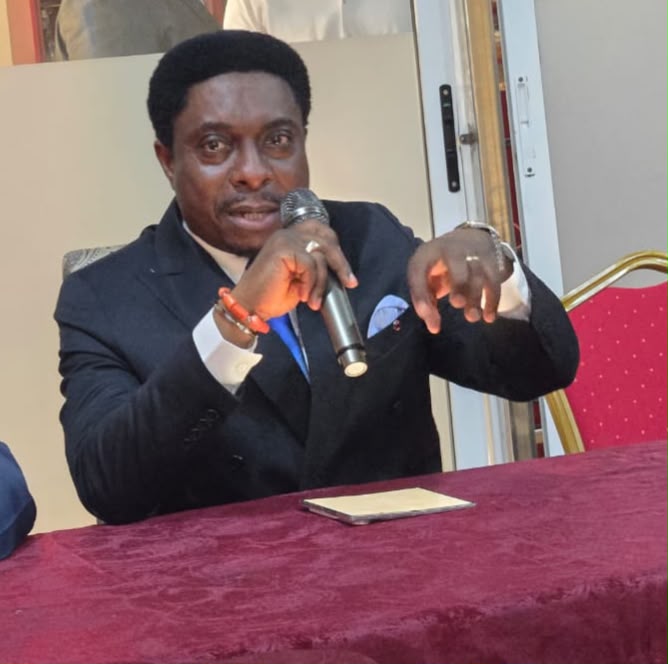
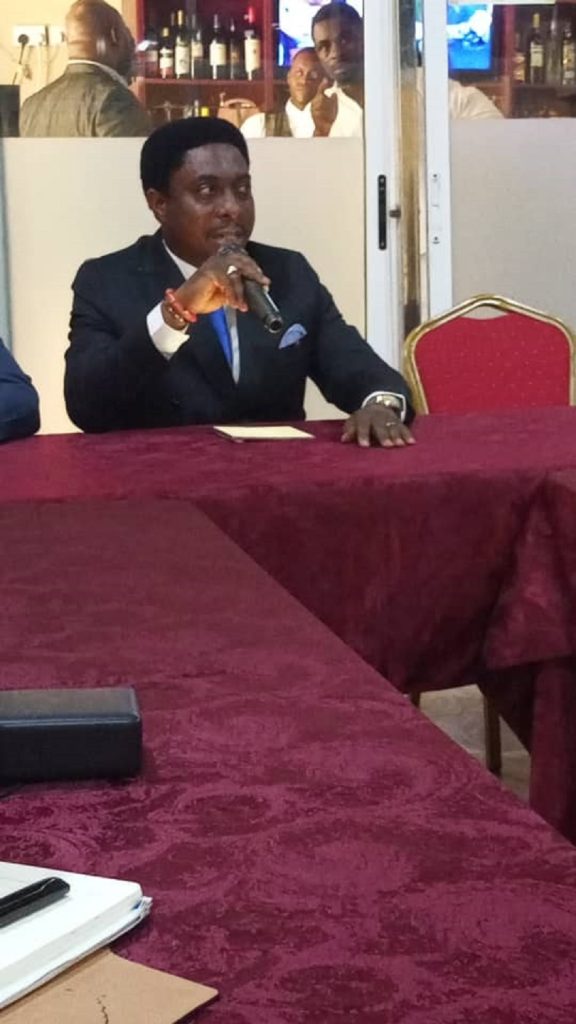
Speaking during an interactive session with media owners in Abuja on Thursday, the PDP flag bearer argued that although Nigeria’s informal sector generates enormous economic value, successive governments have failed to organise and regulate it effectively, resulting in significant annual losses.
According to him, ASIDRA will introduce a structured certification and licensing system for artisans and skilled workers, helping them access better employment opportunities both within and outside Nigeria while protecting consumers from unqualified practitioners.
“There is so much money in the informal sector, yet no state has thought of properly organising it. Abia will be the first to do so because billions of naira are lost every year due to the absence of regulation,” he said.
Explaining the rationale behind the agency, Anosike noted that many Nigerian artisans possess valuable skills but lack internationally recognised certifications required to secure overseas employment.
“You see mechanics, electricians and plumbers. Many of them are highly skilled, but they are neither certified nor licensed. Countries like Canada are looking for such skilled workers, but Nigeria cannot fully benefit because many of our artisans do not possess the required certifications. Ghana, on the other hand, exports many certified skilled workers,” he said.
He disclosed that his administration would organise refresher training programmes for artisans before issuing recognised certifications.
“Our people already have the skills. What we want to do is enrol them in refresher courses, expose them to international standards and best practices, and certify them after two or three months of training,” he explained.
The PDP candidate also said the agency would sanitise professions such as estate agency by introducing licensing and accountability measures.
“Today, some estate agents rent the same apartment to multiple prospective tenants and disappear with their money. Under our system, every licensed agent will be attached to a recognised law or estate management firm. Anyone seeking accommodation should be able to verify an agent’s identity and certification. That way, there will be accountability.”
On the proposed ALGOA, Anosike said the agency would prepare Abia youths for the rapidly expanding global remote-work economy through specialised digital skills training.
He explained that young people living in communities such as Arochukwu, Ohafia, Ukwa and Bende could work remotely for companies in Europe, North America and Asia without leaving their hometowns.
“Many young Nigerians in Abuja and Lagos are already earning in dollars and pounds through remote jobs. We can equip our youths with the right digital skills and connect them to similar opportunities across the world,” he said.
Drawing from his experience in the United Kingdom, Anosike noted that many multinational companies now outsource customer service and technical operations to countries such as India, Kenya and Rwanda.
“Nigeria can do the same. Abia can do it. We will establish this agency, train our youths to meet international standards and connect them with global employers. It is achievable,” he added.
Anosike also outlined what he described as a welfarist model of governance, insisting that the success of his administration would be measured by improvements in citizens’ welfare rather than the volume of physical infrastructure delivered.
“Our government will not be measured by roads and concrete alone. Infrastructure is important, but the true measure of governance is how government policies improve people’s lives—their income, healthcare, education and overall quality of life,” he said.
He unveiled seven pillars that would underpin his administration. They include Economic Welfare, aimed at wealth creation and prosperity; Social Protection Welfare for vulnerable citizens; Healthcare Welfare to ensure affordable healthcare; Education Welfare focusing on human capital development; Youth Welfare and Empowerment, with emphasis on skills acquisition and sports development; Agriculture Welfare; and Workers’ Welfare.
As part of his agricultural agenda, Anosike promised to introduce Operation Feed Abia (OFA), a back-to-farm initiative that would revive agricultural extension services to improve farming techniques, increase yields and position the state for agricultural exports.
“We will restore extension services so that farmers receive proper guidance on fertiliser application and modern farming methods. Once we meet international standards, we can begin exporting our agricultural produce,” he said.
He also pledged to strengthen the state’s civil service through continuous professional development and improved remuneration.
“We will establish a Civil Service College and an executive training system to professionalise the public service. We also intend to pay salaries above the national minimum wage,” he said.
Responding to claims that the administration of Governor Alex Otti was performing creditably, Anosike acknowledged improvements in road construction but argued that the state’s increased federal allocations had significantly expanded its spending capacity.
“Yes