By TOM CHIAHEMEN –
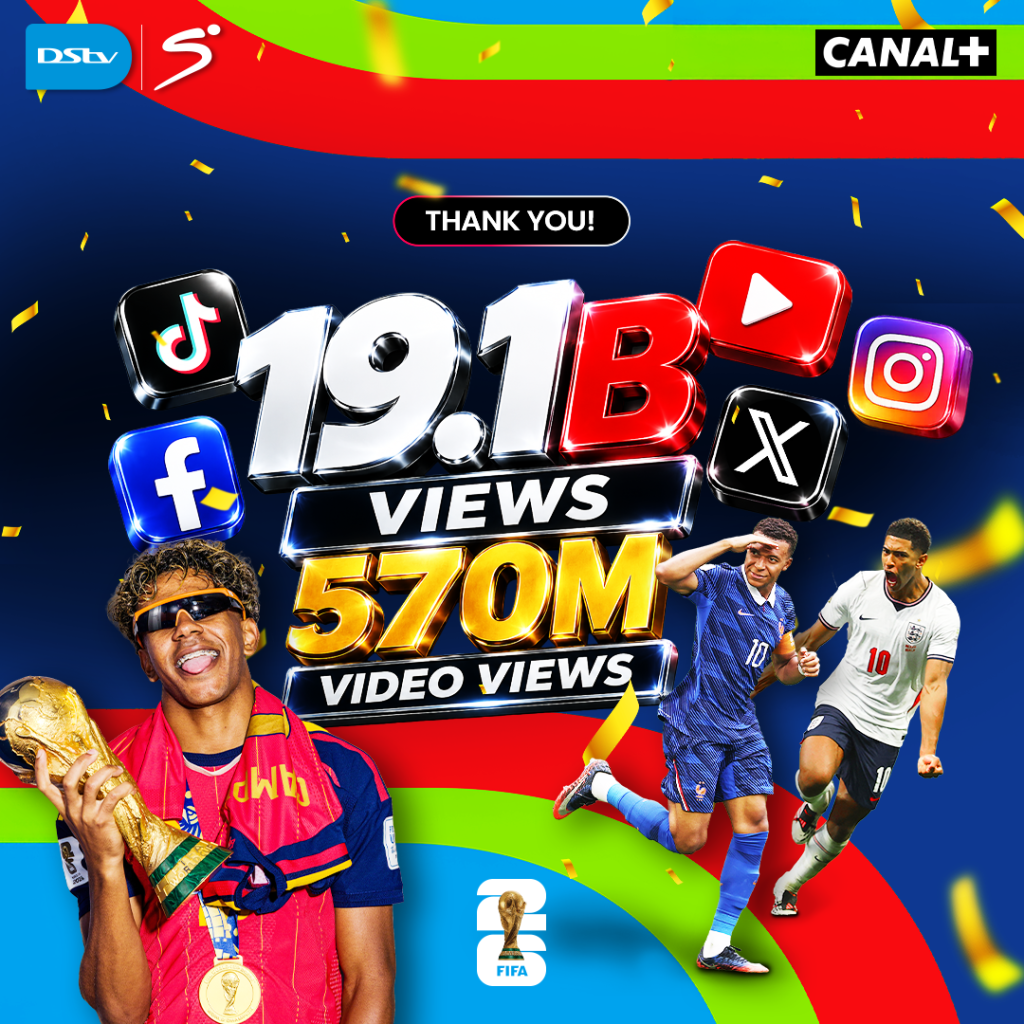
The 2026 FIFA World Cup has emerged as a digital phenomenon across Africa, with SuperSport recording a staggering 19.1 billion social-media views during the tournament as the broadcaster took its coverage well beyond live television.
The figure, driven largely by the broadcaster’s #EverythingCanWait campaign, underscores the changing way African football fans followed the month-long tournament, combining live broadcasts with short-form video, social media, interactive games, streaming and other digital platforms.
SuperSport recorded 677 million video views during the competition, with YouTube and TikTok accounting for 84 per cent of the total.
Its main digital platform, SuperSport.com, attracted 10.1 million visitors, while the SuperSport Predictor drew 175,615 registered users who collectively made 3.81 million predictions.
The broadcaster also recorded 417,591 referrals from SuperSport.com into DStv’s over-the-top streaming environment, highlighting the growing connection between conventional television coverage and digital consumption.
The figures point to a strategy that increasingly treats a major sporting event not simply as a sequence of live matches, but as a continuous digital conversation capable of keeping audiences engaged before, during and after games.
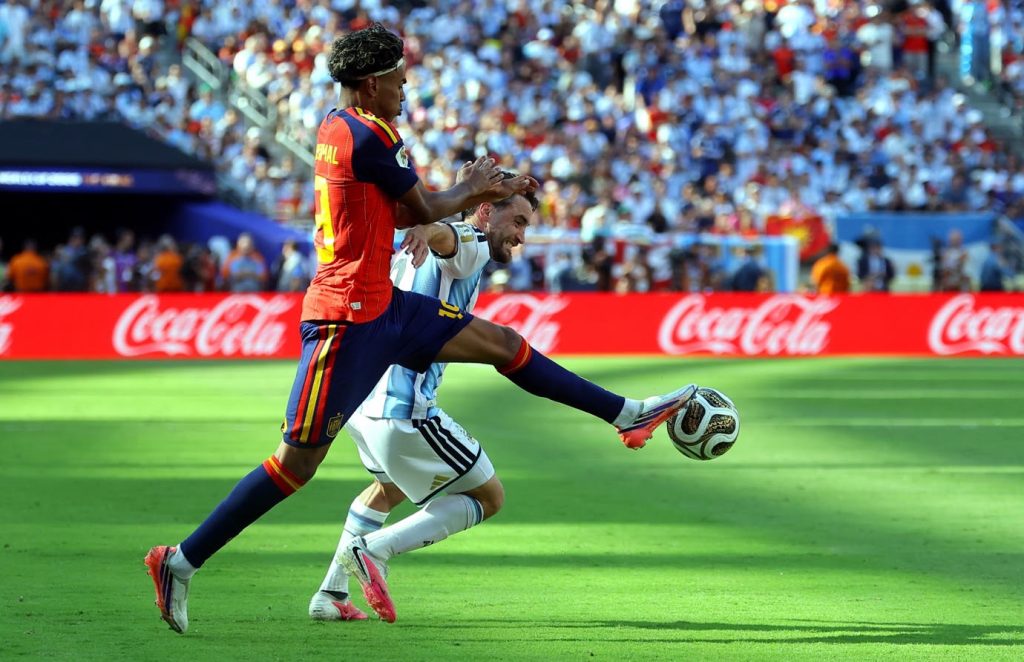
Spain take on Argentina in the 2026 FIFA World Cup final . Credit: BackpagePix
Turning match action into online conversation
SuperSport produced 817 videos for YouTube and TikTok during the tournament, generating 54.4 million engagements and building a paid audience of 11.4 million.
The content ranged from match highlights and breaking news to interviews, behind-the-scenes footage, presenter reactions and social-media material produced specifically for digital audiences.
A major component of the strategy was speed.
Digital teams monitored developments during matches and quickly converted significant moments into material for social platforms, allowing fans to relive and discuss key incidents almost as they happened.
TikTok emerged as the strongest platform for engagement, while the wider #EverythingCanWait campaign accumulated 19.1 billion views.
SuperSport also brought African content creators into the campaign through a Pan-African creator squad.
The creators generated 18.1 million views and 8.8 million engagements, recording an overall engagement rate of five per cent.
South Africa accounted for 6.7 million of the views, while creators in Angola and Tanzania each recorded more than 1.5 million.

Spain take on Argentina in the 2026 FIFA World Cup final . Credit: BackpagePix
The figures illustrate the growing importance of local digital personalities in transforming global sporting events into conversations that resonate with audiences in individual African markets.
Fans become part of the game
SuperSport’s digital push was not restricted to watching and sharing content.
Its Predictor platform gave supporters an opportunity to test their football knowledge by predicting match outcomes and taking part in challenges throughout the tournament.
The platform recorded 257,299 game sessions and 160,749 completed challenges, representing an 83.1 per cent completion rate.
Nigeria accounted for 21.2 per cent of registered users, second only to South Africa, which contributed 29.5 per cent.
The interactive platform also provided a commercial opportunity, with sponsor banners recording 2.83 million impressions and 16,180 clicks during the 22-day campaign.
In-game branding further extended the visibility of sponsors beyond conventional advertising placements.
Digital platforms drive viewers towards streaming
The broadcaster’s digital ecosystem also became an important gateway into DStv’s streaming platforms.
SuperSport.com attracted 10.1 million visitors, while football fixture pages generated 1.1 million views. FIFA World Cup fixture pages recorded a further 936,000 views.
The site generated more than six million football video views, with 14 individual clips attracting more than 100,000 views each.
Within DStv Stream, a dedicated World Cup Hub provided users with a central point for accessing live matches, highlights, replays and related tournament content.
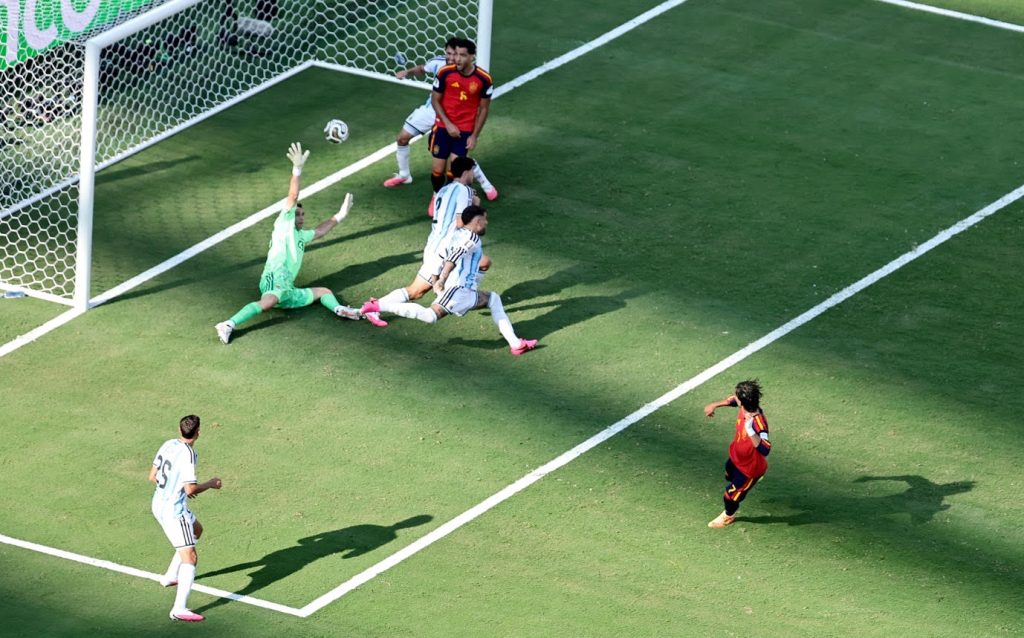
Spain take on Argentina in the 2026 FIFA World Cup final . Credit: BackpagePix
The Hub recorded six million visits, while peak concurrent streams reached 933,000.
Although live matches remained the principal attraction for streaming audiences, the dedicated Hub was designed to make it easier for users to discover and move between different forms of tournament content.
The result was a more integrated path from social-media engagement and digital content to live streaming.
DStv records millions of new visitors
The wider DStv digital ecosystem also benefited from the tournament.
DStv.com attracted 6.9 million visitors during the World Cup period, 82 per cent of whom were new users.
The platform recorded 16.7 million sessions and generated 2.98 million clicks to its streaming service.
Its World Cup campaign page alone recorded 190,183 page views and 20,164 clicks to begin streaming, with 90 per cent of visitors accessing the page for the first time.
Search visibility was another significant part of the campaign.
Across major African markets, DStv ranked among the top three search results for several World Cup-related queries, including searches relating to where to watch the tournament, FIFA channels on DStv and World Cup packages.
Campaign articles and pages generated 485,500 organic search visits, while the FIFA campaign landing page recorded a 90.84 per cent engagement rate.
Notably, ChatGPT emerged as the leading large-language-model source of traffic to the campaign page, reflecting the increasingly important role of AI-powered search and discovery in directing audiences to online information.
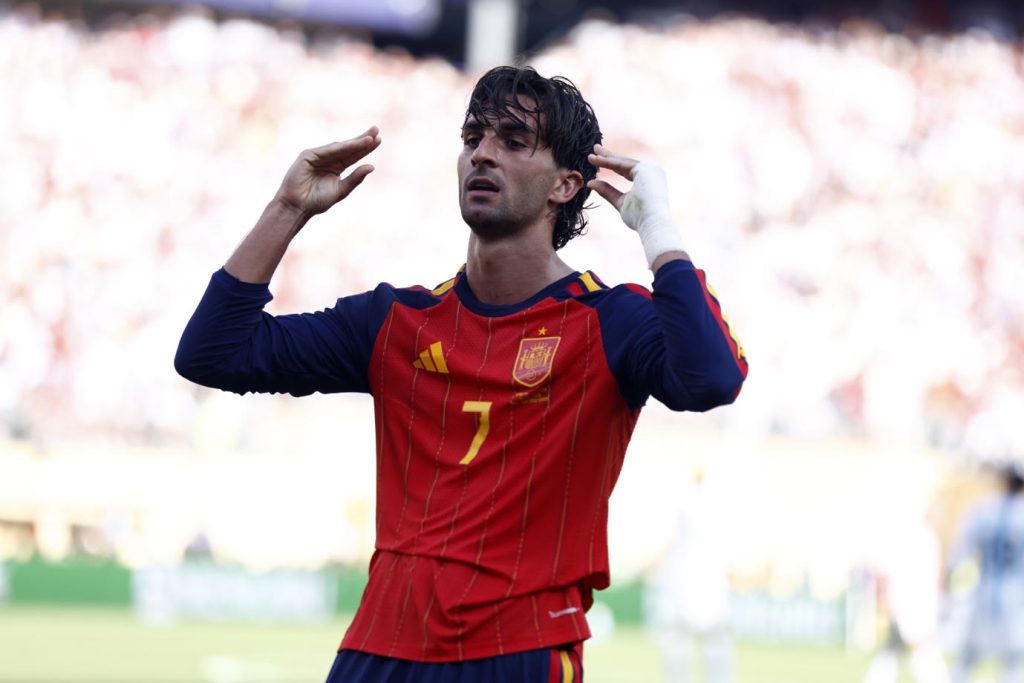
Spain take on Argentina in the 2026 FIFA World Cup final . Credit: BackpagePix
Giving Africa its own World Cup voice
Beyond the technology and numbers, SuperSport’s coverage placed considerable emphasis on making the tournament feel distinctly African.
Multilingual commentary was central to that approach, with about 3,500 tweets generated around commentators during the reporting period.
The response was largely positive, particularly around the availability of commentary in African languages and dialects.
Pidgin English generated the highest volume of organic conversation, reinforcing the appetite for football coverage delivered in voices and language familiar to local audiences.
SuperSport also deployed digital producers on the ground, while its creator programme brought personalities from different African markets into the wider World Cup conversation.
The objective was not simply to report the tournament but to allow audiences across the continent to experience it through familiar voices, personalities and cultural references.
World Cup coverage beyond the pitch
The digital campaign complemented an extensive live-broadcast operation on DStv and SuperSport, which provided audiences across sub-Saharan Africa with access to the tournament alongside dedicated programming, presenters, analysts and former football stars.
Programmes such as The Morning Cup expanded the coverage beyond match action, blending football with entertainment, music, fashion and popular culture.
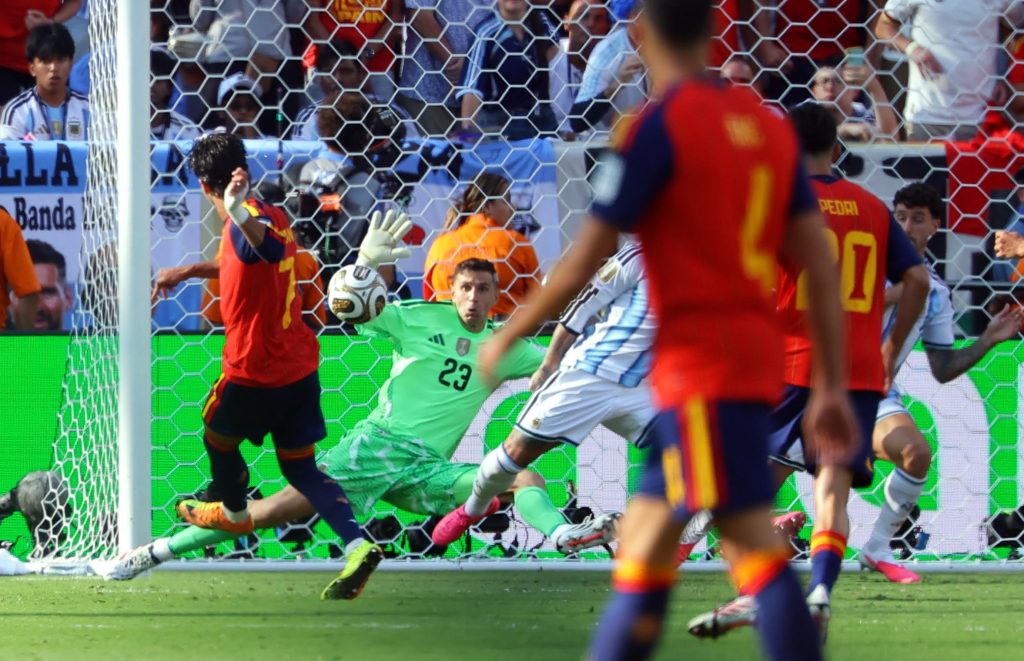
The result was a multi-platform experience in which supporters could move between live television, streaming, social media, highlights, breaking news and interactive games without leaving the broader SuperSport ecosystem.
Rendani Ramovha, Director for Sports Content in English and Portuguese-speaking Africa at CANAL+, said the ambition was to ensure that the tournament was experienced by African audiences on a scale commensurate with the global importance of the World Cup.
According to him, making every match available across DStv packages, highlighting Africa’s representation, incorporating multilingual storytelling and developing new programming were all part of an effort to create what he described as “Africa’s World Cup.”
He said the tournament demonstrated the strength of CANAL+’s people and platforms while establishing a new benchmark for its future sporting coverage.
For 39 days, the World Cup commanded enormous attention across Africa.
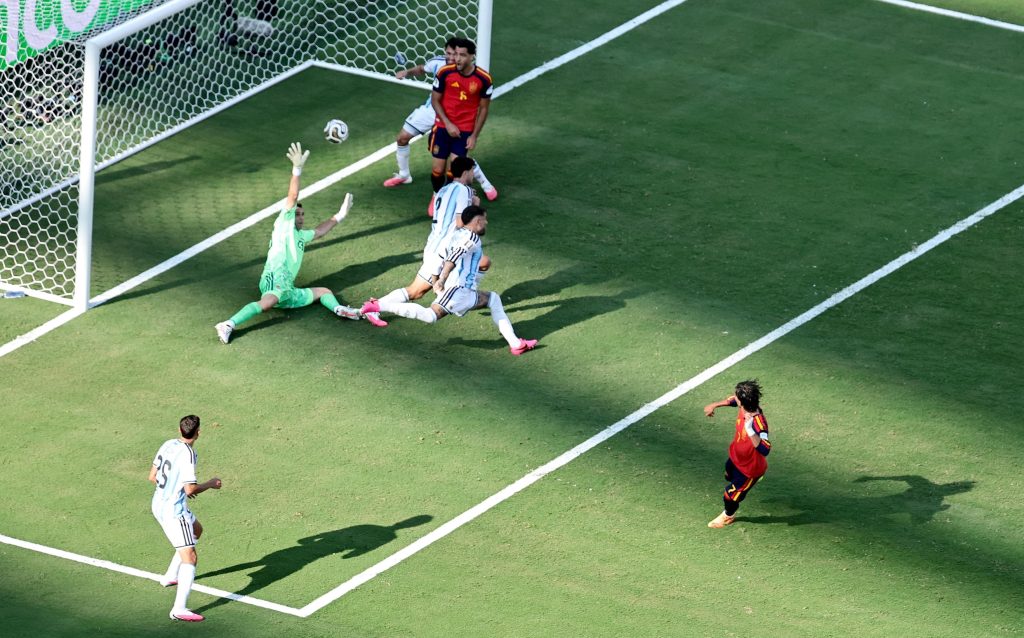
Spain take on Argentina in the 2026 FIFA World Cup final . Credit: BackpagePix
But beyond the goals, victories and defeats on the pitch, the tournament also provided a striking demonstration of how rapidly the continent’s sports audience is moving towards a more connected digital experience.
For SuperSport, the 19.1 billion social-media views and hundreds of millions of video engagements offer evidence that the future of sports broadcasting may no longer be defined simply by who owns the rights to show the game.
Increasingly, the battle is over who can keep the fan engaged before kick-off, during the match and long after the final whistle.
Supersport