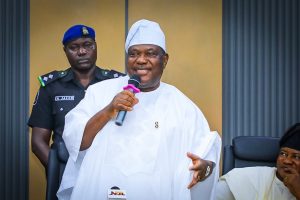
Emir of Gwoza, His Royal Highness, Alhaji Mohammed Shehu Idris Timta, has commended the Allamin Foundation for Peace and Development for its sustained commitment to peacebuilding and reconciliation in conflict-affected communities, pledging his full support for the successful implementation of its latest intervention in Gwoza Local Government Area of Borno State.
The monarch gave the assurance on Thursday when the Founder and Executive Director of Allamin Foundation, Hajiya Hamsatu Allamin, led a delegation of the organisation on a courtesy visit to his palace to brief him on the foundation’s peace project and its implementation plan over the next four months.
The Emir described the initiative as timely and impactful, stressing the critical role of traditional institutions in fostering peace, rebuilding trust, and encouraging community acceptance, particularly in areas affected by insurgency and post-conflict reintegration challenges.
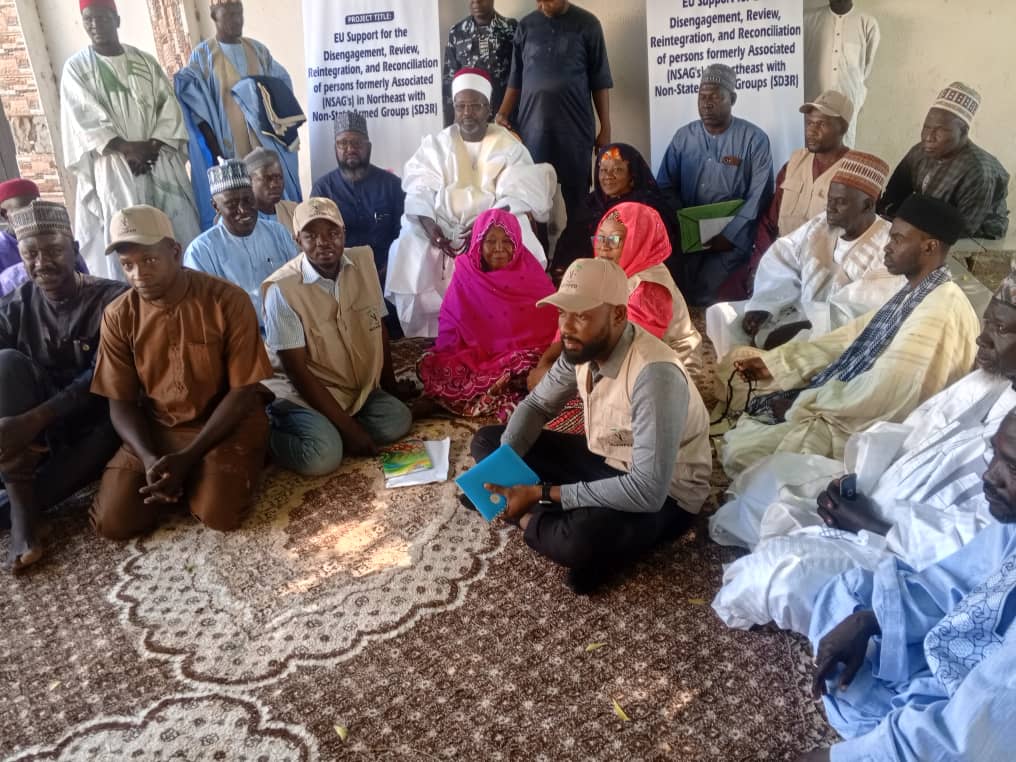
Addressing the Emir, Hajiya Hamsatu, said the visit formed part of activities surrounding a one-day community stakeholders’ training workshop organised by the foundation at the Council Chamber of the Gwoza Local Government Secretariat. She explained that the workshop is part of a broader peacebuilding intervention targeting 300 vulnerable community members, including women, persons living with disabilities, minority groups, repentant insurgents, and other returnees.
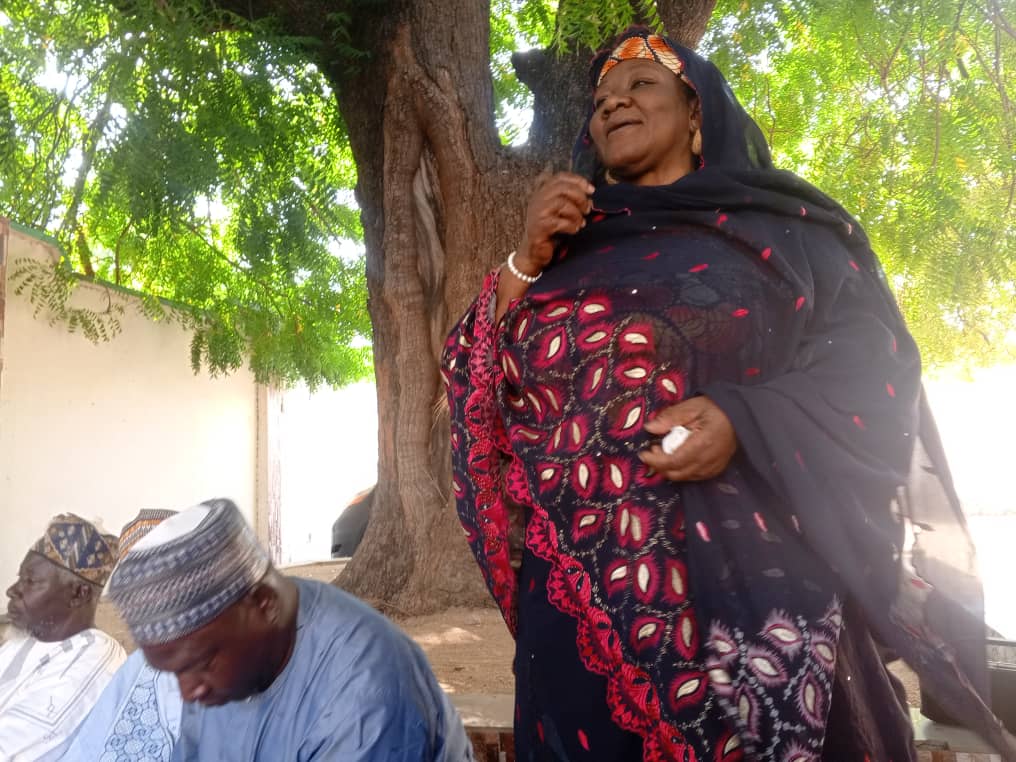
She said the project aims to promote the reintegration of repentant insurgents through skills acquisition, leadership support, community engagement, and inclusive dialogue with traditional and religious leaders across Gwoza communities.
The Executive Director disclosed that participants would be sensitised on rebuilding trust and fostering harmony by empowering returnees with sustainable livelihood opportunities through craft and vocational skills training tailored to individual interests and capacities.
According to her, the initiative is designed to address the socio-economic drivers of conflict, reduce stigma against returnees, promote acceptance, and strengthen long-term peace and stability within host communities.
She noted that the programme attracted participants from security agencies, traditional institutions, women’s groups, religious leaders (Ulama), and other community stakeholders, adding that the six-month project is supported by the European Union and funded by the United Nations Development Programme (UNDP) in collaboration with the Borno State Government.
As part of the implementation process, she revealed that three researchers have already been recruited to conduct baseline assessments and support other key objectives of the project in Bama Local Government Area, while similar activities would be extended to Gwoza.
Hajiya Hamsatu also highlighted the extensive consultations already carried out with the Ministry of Information and Internal Security, Ministry of Women Affairs and Social Development, Ministry of Justice, and the Palace of the Emir of Gwoza, noting that institutional and traditional backing remains critical to the project’s success.
Addressing stakeholders later at the Gwoza Local Government Secretariat, she urged community members to demonstrate ownership and commitment to the initiative, especially in communities where savings groups and cooperative structures already exist.
She assured stakeholders of the foundation’s support in strengthening such initiatives to ensure sustainability and lasting impact.
The Programme Manager, Hamza Dadum Maigari, who facilitated the workshop, provided an overview of the project’s objectives and implementation framework, explaining that activities would be carried out in both Gwoza and Bama Local Government Areas over a six-month period.
He said the project focuses on inclusive peacebuilding, reintegration of ex-combatants, and economic empowerment of vulnerable groups, disclosing that a monitoring and baseline committee would be constituted to oversee implementation, transparency, accountability, and reporting.
According to him, 300 participants will directly benefit from the intervention, comprising 200 members of host communities and 100 ex-combatants and returnees, with special emphasis placed on women through targeted craft and vocational training.
The Project Manager further presented findings from the baseline survey, explaining that the results would guide implementation, while some outcomes would be shared through radio programmes using existing community platforms to promote peace awareness and constructive dialogue.
The workshop concluded with interactive group discussions and question-and-answer sessions, allowing participants to share experiences, raise concerns, and propose practical solutions.
Participants reaffirmed their commitment to supporting peacebuilding and reintegration efforts in their communities and expressed appreciation to the Allamin Foundation, pledging to work closely with the foundation and designated committees to implement sustainable livelihood initiatives that would strengthen social cohesion.