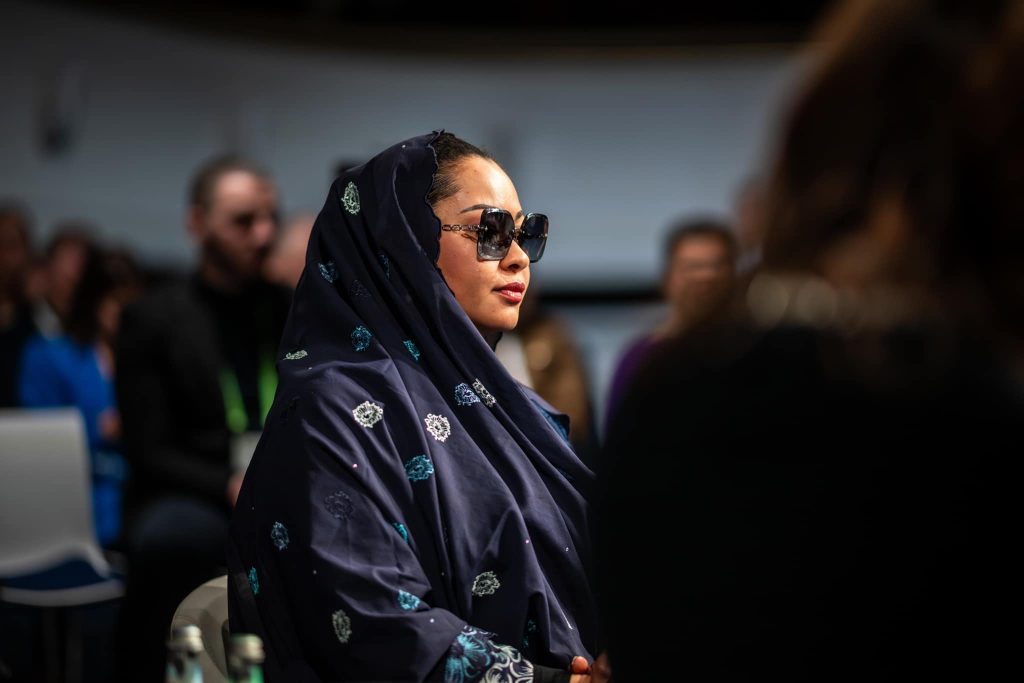
Senator Natasha Akpoti-Uduaghan
Federal High Court in Abuja has again put the brakes on the cybercrime trial of Senator Natasha Akpoti-Uduaghan, as proceedings scheduled for Monday were shelved due to the absence of the presiding judge, Justice Mohammed Umar. The case has now been shifted to February 4, 2025, for the formal start of trial.
Monday’s adjournment adds to a growing list of delays. The matter had earlier been stalled on October 21, a day the court premises were engulfed by a protest led by activist Omoyele Sowore, who demanded the release of Nnamdi Kanu, recently convicted on terrorism charges.
Justice Umar had originally set October 21 as the day the prosecution would open its case, after an earlier hearing on September 22 also collapsed following an objection from the defence.
Akpoti-Uduaghan was first arraigned on June 30 on a six-count charge filed by the Director of Public Prosecution of the Federation, Mohammed Abubakar. She secured bail thereafter, and trial was expected to proceed without major setbacks. But on the last adjourned date, just as the prosecution team prepared to call its first witness—complete with a television screen mounted for evidence presentation—the defence objected.
Her lead counsel, Ehiogie West-Idahosa, SAN, told the court that the team had filed a preliminary objection challenging the court’s jurisdiction. According to him, the move was not about the contents of the charge but about “the alleged abuse of the prosecutorial powers of the Attorney-General of the Federation.” He also noted that the defence had not yet been served with witness statements.
Although prosecuting counsel David Kaswe urged the court to continue with the day’s business, Justice Umar declined, insisting the prosecution must first reply to the objection. He maintained he would resolve the jurisdictional challenge before taking any further steps.
The senator is accused of transmitting “false and injurious information” via electronic means, allegedly intended to malign, incite, endanger lives and disturb public order—offences brought under the Cybercrimes Prohibition and Prevention (Amendment) Act 2024.
Prosecutors say she made the claims during a gathering in Ihima, Kogi State, on April 4, where she allegedly accused Senate President Godswill Akpabio of directing former Kogi governor Yahaya Bello to have her killed. She is also said to have repeated the allegations during a television interview.
With Monday’s adjournment, all eyes will once again turn to February 4, when the court is expected—barring new obstacles—to finally begin hearing the case.
Judge’s absence delays trial as court reschedules Natasha Akpoti-Uduaghan Cybercrime case
Federal High Court in Abuja has again put the brakes on the cybercrime trial of Senator Natasha Akpoti-Uduaghan, as proceedings scheduled for Monday were shelved due to the absence of the presiding judge, Justice Mohammed Umar. The case has now been shifted to February 4, 2025, for the formal start of trial.
Monday’s adjournment adds to a growing list of delays. The matter had earlier been stalled on October 21, a day the court premises were engulfed by a protest led by activist Omoyele Sowore, who demanded the release of Nnamdi Kanu, recently convicted on terrorism charges.
Justice Umar had originally set October 21 as the day the prosecution would open its case, after an earlier hearing on September 22 also collapsed following an objection from the defence.
Akpoti-Uduaghan was first arraigned on June 30 on a six-count charge filed by the Director of Public Prosecution of the Federation, Mohammed Abubakar. She secured bail thereafter, and trial was expected to proceed without major setbacks. But on the last adjourned date, just as the prosecution team prepared to call its first witness—complete with a television screen mounted for evidence presentation—the defence objected.
Her lead counsel, Ehiogie West-Idahosa, SAN, told the court that the team had filed a preliminary objection challenging the court’s jurisdiction. According to him, the move was not about the contents of the charge but about “the alleged abuse of the prosecutorial powers of the Attorney-General of the Federation.” He also noted that the defence had not yet been served with witness statements.
Although prosecuting counsel David Kaswe urged the court to continue with the day’s business, Justice Umar declined, insisting the prosecution must first reply to the objection. He maintained he would resolve the jurisdictional challenge before taking any further steps.
The senator is accused of transmitting “false and injurious information” via electronic means, allegedly intended to malign, incite, endanger lives and disturb public order—offences brought under the Cybercrimes Prohibition and Prevention (Amendment) Act 2024.
Prosecutors say she made the claims during a gathering in Ihima, Kogi State, on April 4, where she allegedly accused Senate President Godswill Akpabio of directing former Kogi governor Yahaya Bello to have her killed. She is also said to have repeated the allegations during a television interview.
With Monday’s adjournment, all eyes will once again turn to February 4, when the court is expected—barring new obstacles—to finally begin hearing the case.