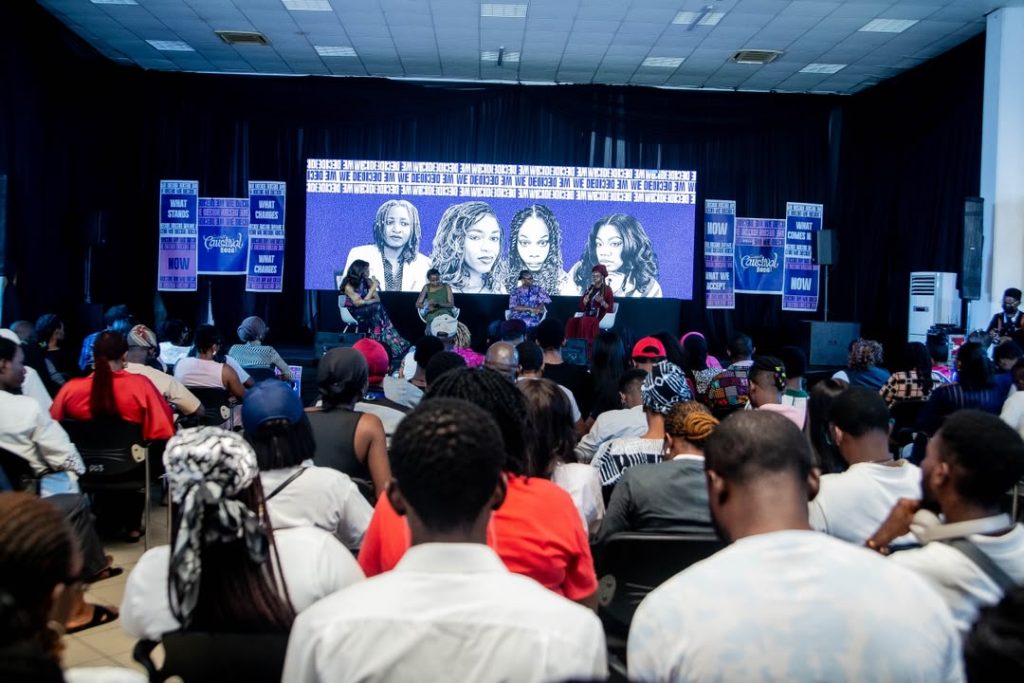
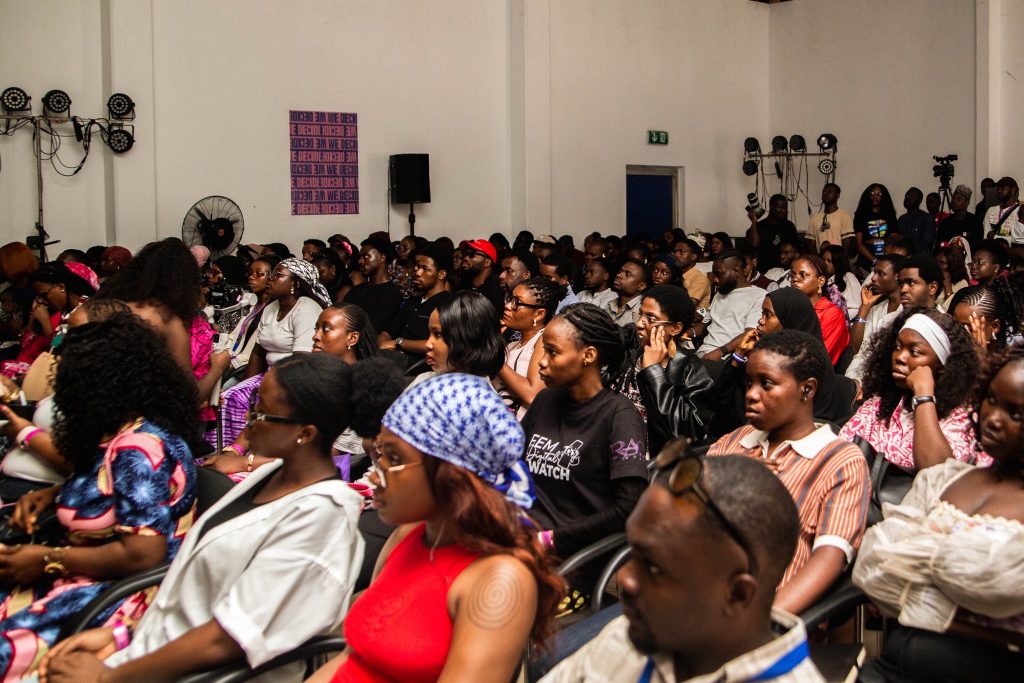
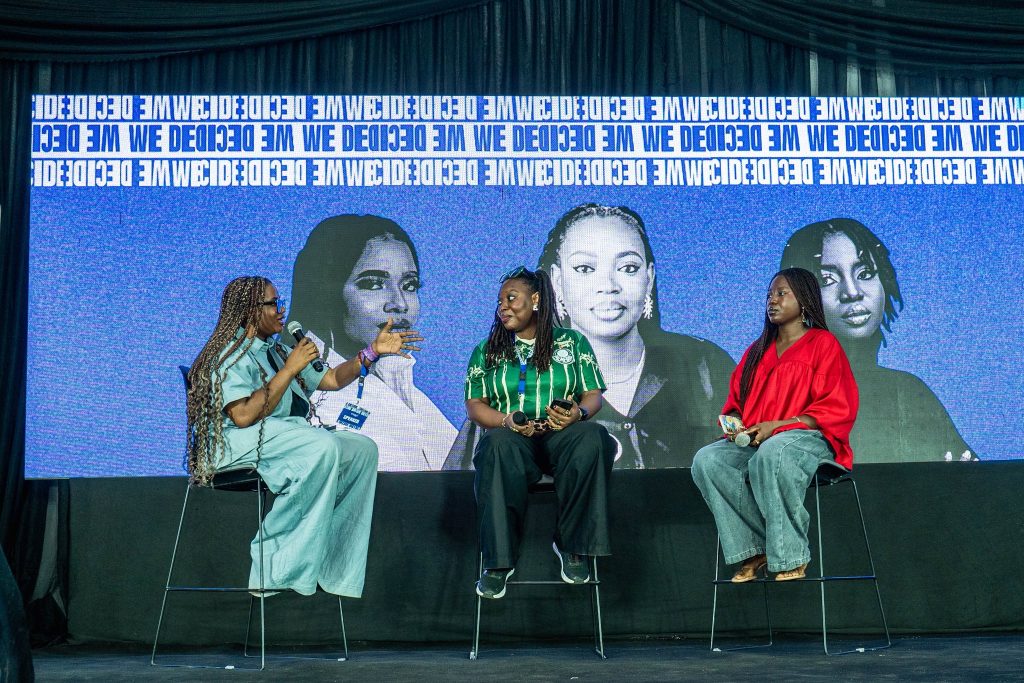
At the FCT Exhibition Centre, Abuja, during CAUSTIVAL 2026, a panel discussion on women and democratic power—triggered by the screening of Double Minority—explored the question of “who gets to decide?”, with participants engaging attentively. Photo credit: @Caustival/X
Stakeholders at the 2026 CAUSTIVAL Festival have identified culture, political gatekeeping and rising digital violence as major obstacles preventing Nigerian women from fully participating in democratic governance, warning that the country’s broader development challenges cannot be separated from gender inequality.
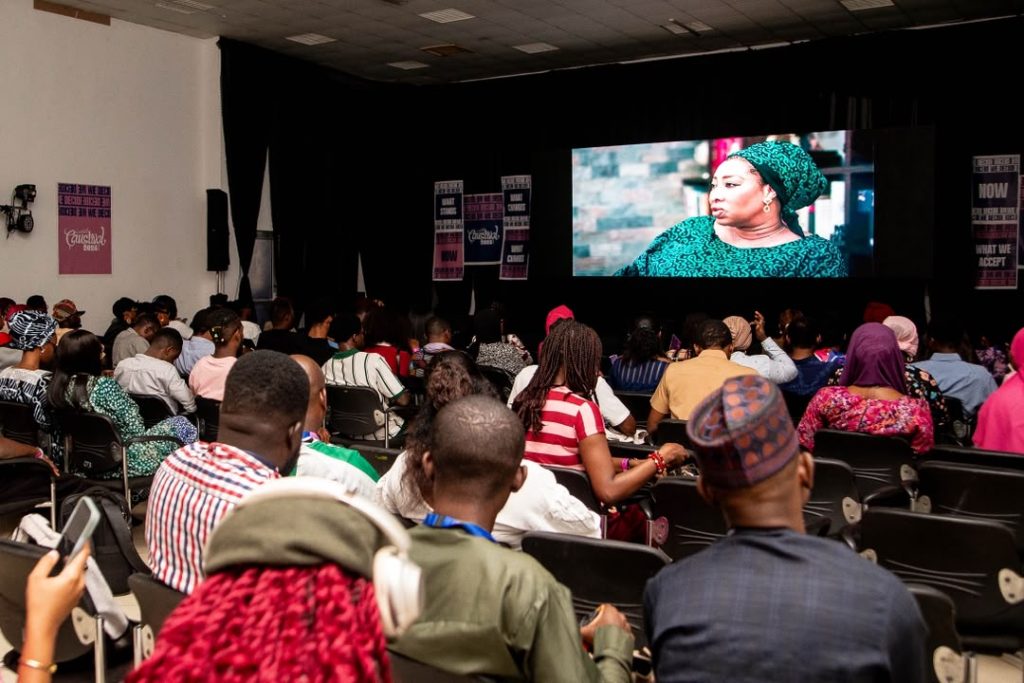
The concerns were raised during a panel discussion titled, “Who Gets to Decide?” following a screening of Double Minority, a documentary that examines the experiences of women seeking political power in Nigeria.
Speaking on Friday during the session in Abuja, a broadcast journalist and General Manager at Radio Now 95.3FM, Lagos, Nabila Usman, argued that while lack of funding remains a challenge, cultural norms remain the most significant barrier to women’s political participation.
“Nigeria’s economic problem, its poverty problem, its development problem, is actually a gender problem, and that gender problem is a cultural problem….Culture is the great barrier”, Usman said.
She recounted the experience of a female journalist who struggled to cover political meetings often held late at night because of societal expectations around her role as a wife and mother.
According to her, such expectations mirror the challenges women encounter when seeking elective office, where cultural perceptions frequently limit opportunities and participation.
A development communications and gender transformation specialist, Nimisire Emitomo, noted that beyond financial constraints and party politics, women aspiring to public office face intimidation, threats and online attacks that often discourage participation.
Ms. Emitomo said digital violence has become a growing threat to women’s political engagement, forcing many women to withdraw from online spaces that are critical for campaigning, fundraising and mobilising support.
“Digital violence makes women leave the digital space. They can’t campaign for themselves or make money”.
“The internet is a good space for crowdfunding and crowdsourcing. Once women are harassed or violated online, they may deactivate their accounts or leave social media altogether, and that limits their ability to campaign and build support,” she said.
She added that online abuse often leaves victims with long-term psychological effects, including PTSD, trauma and anxiety.
The discussion drew extensively from issues highlighted in _Double Minority_, including the experiences of female politicians who faced hostility during campaigns and even after securing public office.
Ms. Emitomo pointed to the case of suspended Kogi Central Senator Natasha Akpoti-Uduaghan as an example of how women continue to face hostility even after attaining political office.
“Power is supposed to give you autonomy, but even after getting there, we saw what happened. She experienced targeted attacks both offline and online,” she observed.
She however urged Nigerians to “get their PVCs, join political parties, and step up — because if young people like us don’t get in there, nothing will change.”
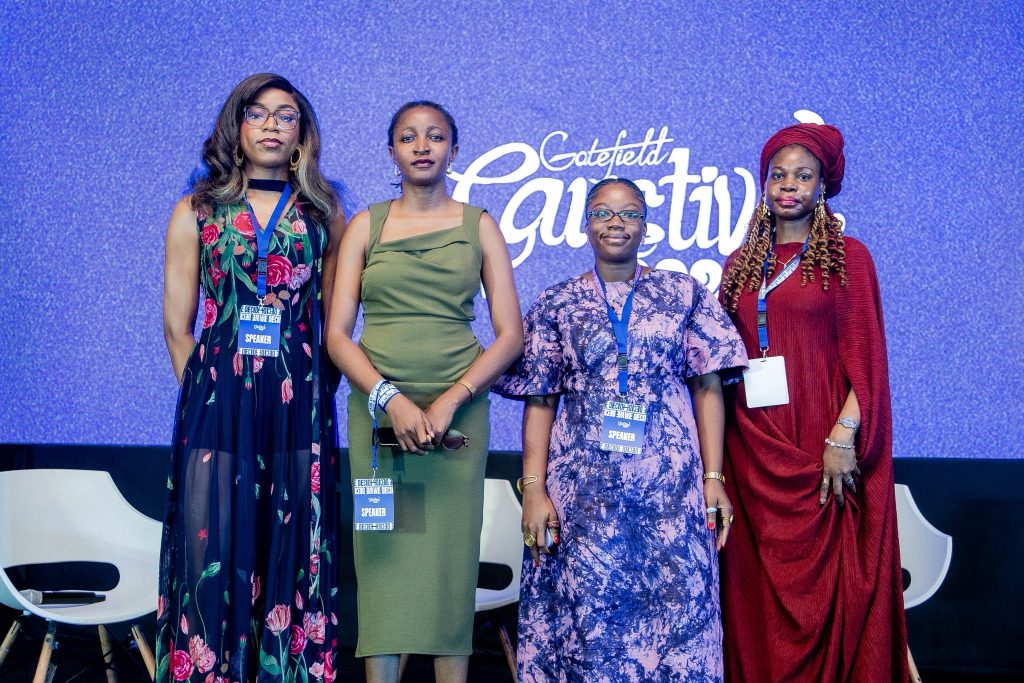
Another panelist, Solape Shonuga, who is a policy advocate and governance expert, also highlighted the role of political parties in limiting women’s representation, arguing that internal party structures often favour men and make it difficult for women to emerge as candidates.
“Women access only about 10 per cent of venture capital investments. The structure is often designed in ways that give men the upper hand”.
“We have a role to play to make sure that institutions work for women…..”, she said.
Referencing the rejection of gender-related constitutional amendment bills by lawmakers in 2022, Ms. Shonuga said legislative reforms remain essential to improving women’s representation.
She urged support for measures such as the Gender Equal Opportunities Bill and the proposed Reserved Seats Bill, which seeks to increase women’s presence in elective offices.
Ms. Shonuga recalled how lawmakers overwhelmingly rejected the gender bills during plenary, despite advocacy from women’s groups and government officials.
“The institutions can change. When there is legislation and when there are policies in place, women have a chance to step in the door,” she said.
The panel also challenged citizens to move beyond voting and become actively involved in political processes, including joining political parties, supporting civic organisations and holding elected representatives accountable.
According to the speakers, meaningful progress in women’s political participation will require sustained advocacy, institutional reforms and greater citizen engagement.
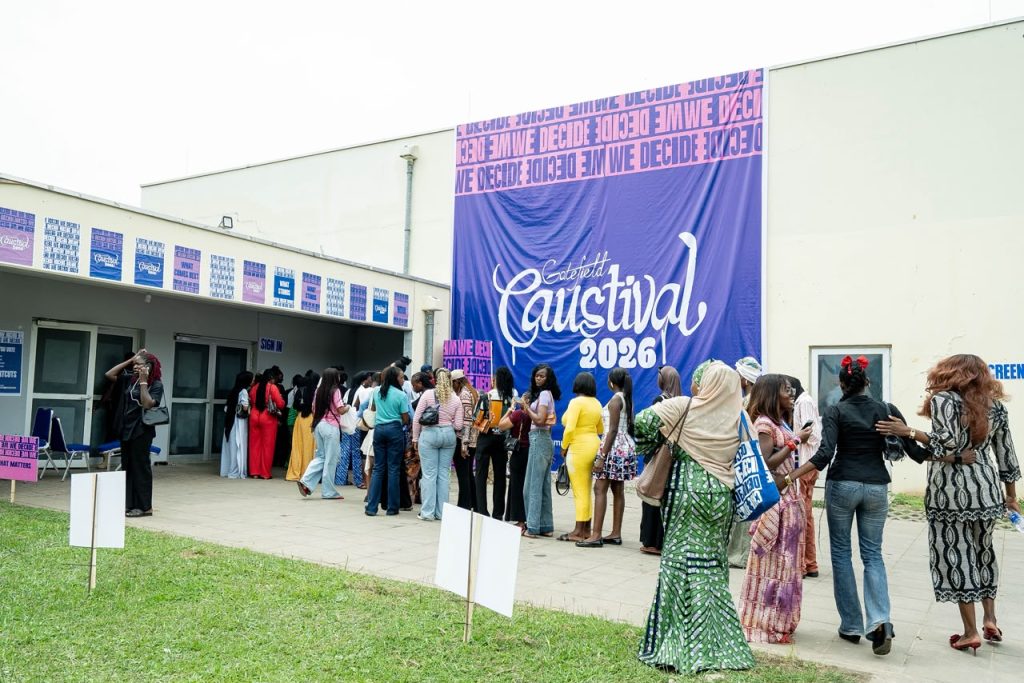
NATIONAL ACCORD reports that the discussion formed part of CAUSTIVAL 2026’s broader conversations on democracy, inclusion and civic participation, with the festival’s theme, “We Decide,” serving as a rallying call for active citizenship and collective responsibility in shaping Nigeria’s democratic future.
Another highlight of the event was the exhibition opening, which featured insightful artworks, an interactive voting exercise that saw participants queue to thumbprint ballots with ink, choreography performances and group photographs that reinforced the festival’s focus on democratic participation and civic engagement.
Beyond Double Minority, participants also engaged with other films and panel discussions. Following the screening of The Invisible Frontline, speakers examined the growing impact of digital violence on civic participation, while discussions around Softie explored whether Nigerian elections can still deliver democratic accountability.
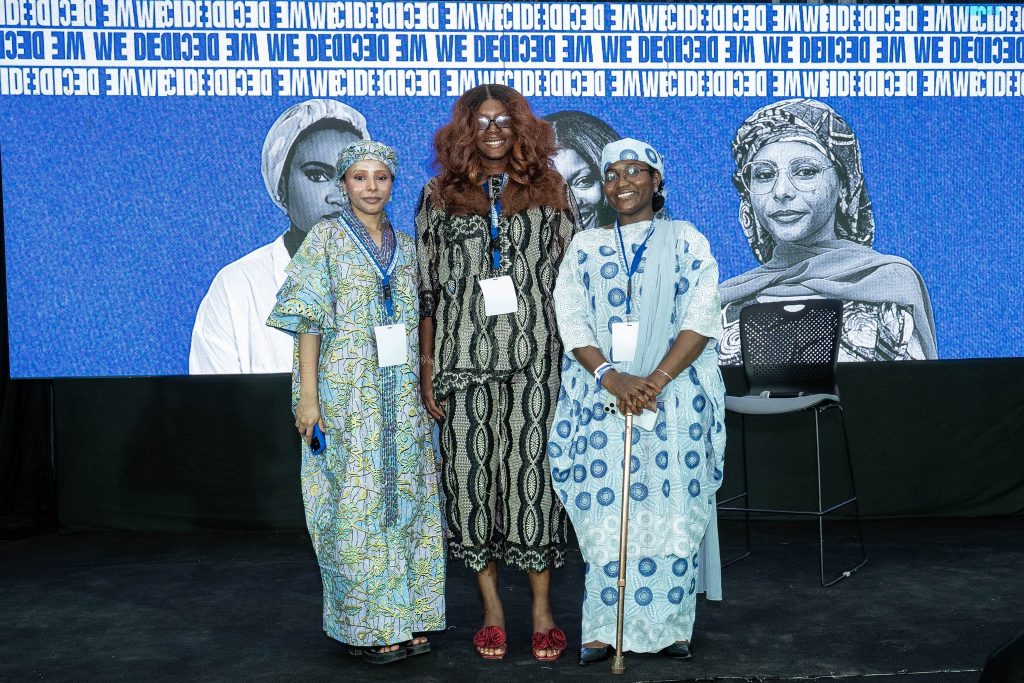
Photo credit: @Caustival/X
Together, the film screenings, panel sessions and exhibitions reinforced CAUSTIVAL 2026’s central message that meaningful democratic progress depends on informed participation, inclusion and the collective power of citizens to shape their future.