Association of Resident Doctors (ARD), Hospital Management Board (HMB), Borno State, has praised Governor Babagana Zulum for what it described as comprehensive reforms and sustained investment in the state’s health sector.
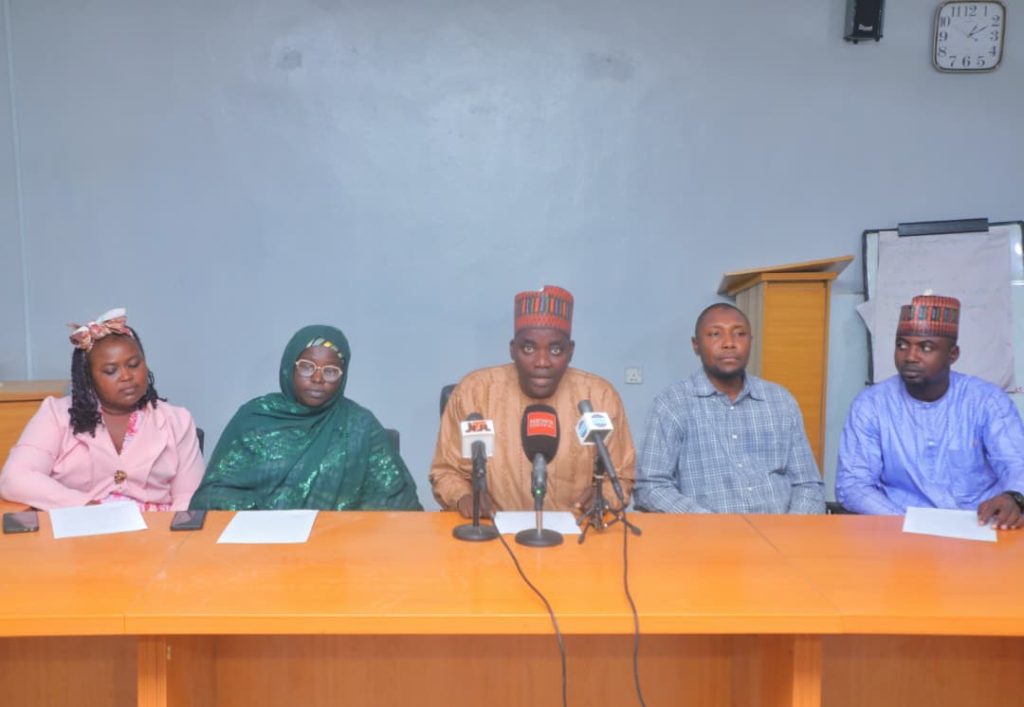
The association’s stance was expressed during a press conference led by its State Chairman, Dr. Musa Karaji Modu, a Senior Resident in Nephrology.
Dr. Modu stated that Governor Zulum led administration has shown a strong commitment to enhancing healthcare delivery through strategic measures in medical training, infrastructure, and workforce welfare.
He noted that the payment of the Medical Residency Training Fund for 2025 and 2026 marks a significant milestone in capacity building and professional growth for doctors in the state.
According to him, the successful upgrade of senior resident doctors and newly qualified consultants has further bolstered the system by improving career advancement and elevating morale among medical staff.
Dr. Modu revealed that when the governor took office, only six resident doctors were employed by the state; the number has since grown to 56, with full support for their residency training through the approved MRTF.
“This marks a historic achievement in Borno State’s health sector, reflecting a leadership that focuses on human capital development,” he stated.
The ARD Chairman also highlighted the full accreditation of the State Specialist Hospital by the West African College of Surgeons in critical departments including Obstetrics and gynaecology, radiology, surgery, and anaesthesia, describing it as a major step forward in specialised healthcare delivery.
He added that progress is being made in addressing other pending demands, such as promotions for doctors not yet in residency, the provision of car loans, and the newly approved Professional Allowance Table (PAT), which is currently under review.
In his remarks, the Acting Secretary of ARD, Dr Ali ZDriru, a Senior Resident in Obstetrics and Gynaecology, commended the administration for prioritising the welfare of health workers.
He listed key initiatives including the provision of suitable accommodation for medical doctors and nurses, the implementation of the Consolidated Health Salary Structure (CONHESS), and the payment of 100 percent rural allowances to medical doctors.
He noted that these efforts have positioned Borno State’s health workforce to enjoy welfare packages comparable to those of their counterparts at the federal level.
The association reaffirmed its dedication to supporting government initiatives and ensuring the delivery of quality healthcare services to the people of the state.