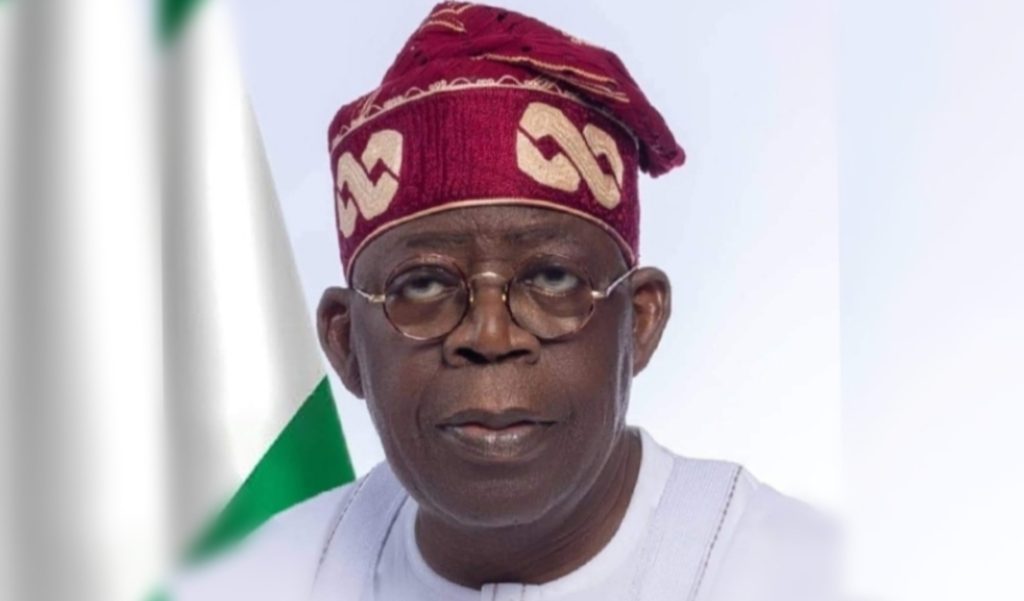
President Ahmed Bola Tinubu
President Bola Tinubu has thrown his weight behind calls for a formal constitutional role for Nigeria’s traditional rulers, describing them as the “most enduring link” between the government and the people.
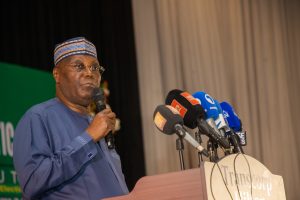
Speaking through Imo State Governor, Hope Uzodinma, at the National Council of Traditional Rulers of Nigeria (NCTRN) meeting held Monday in Lagos, Tinubu said royal fathers play indispensable roles in maintaining peace, culture, and community cohesion—despite lacking legal recognition.
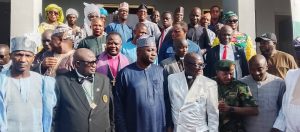
The gathering, themed “The Traditional Institution: The Imperative of Its Inclusion in the Effective and Efficient Governance in Nigeria,” drew traditional leaders from across the country to discuss their place in modern governance.
“Across the country, our traditional rulers carry out essential responsibilities that keep our communities united and functional; mediating conflicts, preserving culture, and maintaining order,” Tinubu said.
Reflecting on Nigeria’s political evolution, Tinubu noted that traditional institutions once had a formal place in the nation’s governance structure. He cited the 1963 Republican Constitution, which gave traditional rulers legislative involvement. However, he expressed regret that both the 1979 and 1999 constitutions failed to maintain that recognition.
“This is not a question of nostalgia but one of institutional continuity,” he stated. “Our royal fathers are still doing the work; what they need is formal recognition by law.”
He called on the National Assembly to revisit the issue and consider constitutional amendments, noting that other African nations—such as Ghana, South Africa, and Namibia—have successfully integrated traditional institutions into their legal frameworks without jeopardising democratic governance.
“The marriage between governance and tradition is real. The only thing missing is the certificate,” Tinubu quipped, reinforcing the call for constitutional backing.
However, the president urged monarchs to steer clear of partisan politics to maintain their impartiality and moral influence, which he described as vital to their authority.
Lagos State Governor Babajide Sanwo-Olu, who hosted the event, praised traditional leaders as timeless custodians of Nigeria’s moral and cultural values.
“Long before modern governance took shape, our traditional rulers were the bedrock of stability and justice. Even today, no government can thrive without their support,” he said.
Sanwo-Olu cited historical figures like Oba Ovonramwen of Benin, King Jaja of Opobo, and Chief Ogedengbe of Ilesha as proof of the longstanding influence and resistance of monarchs during colonial times. He added that while military rule may have eroded traditional structures, democracy offers a path to restoration.
“Our royal fathers must continue to push for constitutionally backed relevance. Lagos will always support this cause,” the governor assured.
He also urged royal fathers to remain non-partisan and united, emphasizing their role as moral compasses in a diverse nation.
“We must ensure that our traditional institutions remain inclusive, impartial, and aligned with the vision of a just and thriving Nigeria,” Sanwo-Olu added.
In his remarks, the Sultan of Sokoto and Chairman of the NCTRN, Alhaji Muhammad Sa’ad Abubakar III, commended President Tinubu for recognizing the vital role traditional rulers play in national unity. He expressed optimism that the dialogue would move the country closer to giving monarchs their deserved constitutional place.
The Sultan also encouraged fellow traditional rulers to remain steadfast in their efforts to foster peace and security, stressing that partnership with the government is key to building a stronger, more stable Nigeria.